September 22, 2026
What Is This New World Screwworm Horses Are Getting?
Quick answer: The New World screwworm is a parasitic fly (Cochliomyia hominivorax) whose larvae burrow into and feed on the living tissue of warm-blooded animals, including horses. New World screwworm returned to the United States in June 2026, and in September, the first equine case associated with the 2026 U.S. incursion was detected in a Texas ranch horse. Daily wound checks, fly control, and prompt veterinary care are important precautions for horse owners.
If you own horses, the words “horse screwworm” have probably crossed your feed lately, and for good reason. New World screwworm returned to the United States in 2026, and in September, the first equine case associated with the 2026 U.S. incursion was detected in a working ranch horse in Presidio County, Texas. The parasite can cause severe tissue damage and can be fatal if an infestation goes untreated.
The good news? Early detection and consistent prevention can make a major difference. Below, Gladiator Equine breaks down what New World screwworm is, why it matters, the warning signs to watch for, and the steps you can take to help keep your horse safe.
What Is the New World Screwworm?
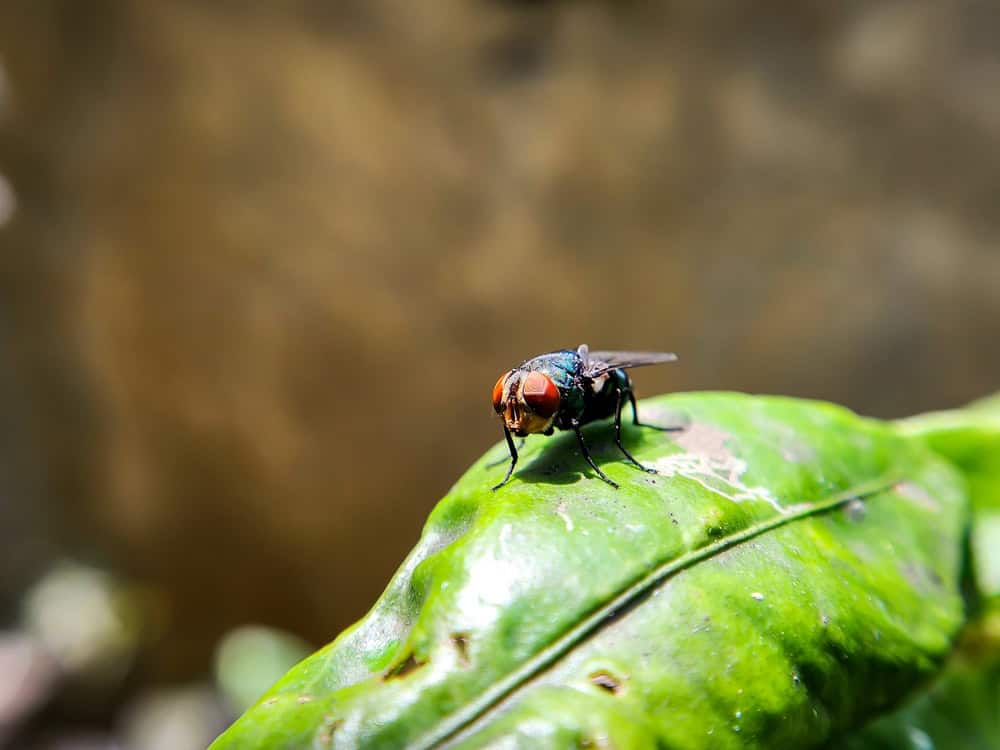
The New World screwworm is a destructive parasitic fly, scientifically known as Cochliomyia hominivorax. Unlike most flies, its larvae feed on healthy, living tissue rather than dead flesh, which makes it especially dangerous.
Here is how an infestation starts:
- The parasite: Female screwworm flies lay their eggs in open wounds, cuts, or mucous membranes.
- The damage: Those eggs hatch into maggots that feed aggressively on living tissue, causing a severe condition called myiasis.
- The result: As the larvae burrow deeper, they enlarge the wound and attract more flies, creating a rapidly worsening cycle.
Even a small cut, a fresh brand, or a surgical site can become an entry point.
Why Is the New World Screwworm a Threat to Horses and Livestock?
Screwworm infestations grow quickly. Within days, a minor wound can turn into a deep, painful injury filled with maggots. Affected horses often show intense discomfort, and the wounds produce a distinct foul odor.
Left untreated, a screwworm infestation can be fatal. That risk, combined with how easily the parasite spreads between animals, is why the horse screwworm is considered a serious agricultural concern for the entire livestock industry.
What Is the Current Situation With Horse Screwworm in the U.S.?
New World screwworm returned to the United States in 2026. On June 3, the USDA confirmed New World screwworm in a calf in Zavala County, Texas. Then, on September 9, the first equine case associated with the 2026 U.S. incursion was detected in a working ranch horse in Presidio County, Texas.
Animal health officials have established response measures around confirmed cases, and horses traveling from affected areas may face inspection or movement requirements. Horse owners should check current state and federal guidance before traveling with horses, especially when moving animals into or out of affected areas.
On the treatment and prevention side, the U.S. Food and Drug Administration has authorized certain animal drugs for New World screwworm under Emergency Use Authorizations and other regulatory pathways. Your veterinarian can advise you on which options, if any, are appropriate for your horse and circumstances.
What Are the Warning Signs Every Horse Owner Should Know?
Catching an infestation early gives your horse the best chance of a full recovery. Watch closely for these signs:
- Worsening or non-healing wounds
- Foul-smelling discharge
- Visible maggots in or around a wound
- Unusual behavioral distress, restlessness, or head shaking
If you notice any of these symptoms, contact your veterinarian immediately. Screwworm is a reportable condition, so fast action protects both your horse and other animals nearby.
How Can Horse Owners Prevent New World Screwworm?
Prevention comes down to consistency. A few daily habits go a long way:
- Inspect and clean wounds daily. Check all cuts, scrapes, and surgical sites every day, and keep them clean.
- Use fly control products. Apply proven repellents and fly control measures, especially during warm months and after any procedure that breaks the skin.
- Limit new wounds. Time elective procedures carefully and keep pastures free of hazards that could cause injuries.
- Stay informed. Monitor official updates through the Official Screwworm Information Portal and follow any local quarantine guidance.
How Gladiator Equine Supports Equine Healing
Because open wounds are the entry point for screwworm, supporting fast, healthy recovery is part of a smart prevention plan. Gladiator Equine’s far infrared therapy devices are designed to support equine healing and recovery, helping your horse bounce back and reducing the window of vulnerability that lingering wounds create.
Investing in the right care tools now can help you stay ahead of problems later.
Stay Vigilant and Keep Your Horse Protected
The New World screwworm is a serious threat, but it is one you can guard against. Inspect wounds daily, use fly control, learn the warning signs, and call your veterinarian at the first hint of trouble.
Horse owners, please stay alert and watch out for this screwworm going around your area.
Frequently Asked Questions
What Is the New World Screwworm in Horses?
The New World screwworm is a parasitic fly (Cochliomyia hominivorax) whose larvae feed on the living tissue of warm-blooded animals. In horses, the flies lay eggs in open wounds, and the resulting maggots cause a painful, fast-spreading condition called myiasis.
Can a Horse Die From Screwworm?
Yes. If left untreated, a screwworm infestation can be fatal to horses and livestock. Infestations grow rapidly, so early detection and prompt veterinary treatment are critical.
What Are the First Signs of Screwworm in a Horse?
Early signs include worsening or non-healing wounds, foul-smelling discharge, visible maggots, and unusual behavioral distress such as restlessness or head shaking.
Is There a Treatment for New World Screwworm?
Yes. The FDA has issued Emergency Use Authorizations for specific animal drugs, including short-term preventive treatments for horses. A veterinarian should diagnose and guide treatment for any suspected infestation.
Has New World Screwworm Been Found in a U.S. Horse?
Yes. On September 9, 2026, the first equine case associated with the 2026 U.S. incursion was detected in a working ranch horse in Presidio County, Texas. New World screwworm had previously been confirmed in a calf in Zavala County, Texas, in June. Because the situation can change, horse owners should follow current USDA, state animal health, and veterinary guidance.