
September 7, 2026
6 Common Horse Skin Conditions Every Owner Should Know
Quick answer: Common equine skin conditions include rain rot, ringworm, sweet itch, pastern dermatitis, warts, and sarcoids. These horse skin conditions range from bacterial and fungal infections to allergic reactions and tumors, often signaled by hair loss, crusting, or persistent itching. Early recognition and veterinary guidance are key to effective management.
Horses are tough animals, but their skin is more vulnerable than many owners realize. From muddy paddocks to summer midge swarms, everyday environmental factors can trigger a range of equine skin conditions that affect your horse’s comfort, coat, and performance.
Knowing what to look for and when to act makes a real difference. Gladiator Equine covers the most common horse skin conditions, what causes them, and how to prevent and manage them.
Infections and Parasites
1. What Is Rain Rot in Horses, and How Is It Treated?
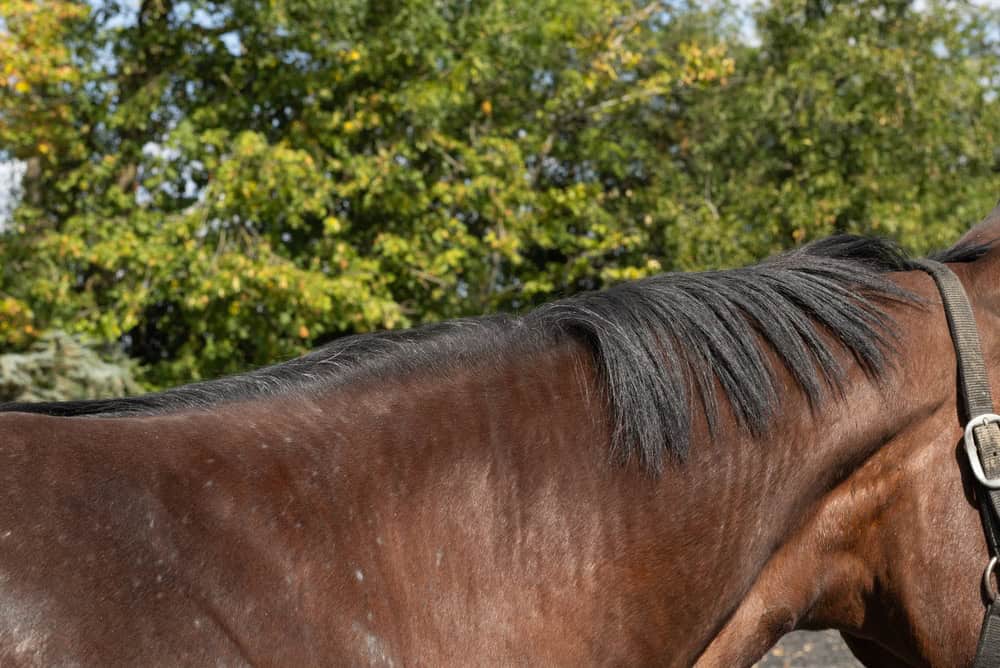
Rain rot, also called rain scald, is a bacterial infection caused by Dermatophilus congolensis. It develops when prolonged moisture exposure weakens the skin’s natural barrier. The result: painful, crusty scabs and matted tufts of hair, typically along the back and topline.
Treatment involves removing the scabs gently, keeping the affected area clean and dry, and using antimicrobial shampoos. Keeping horses sheltered during wet weather reduces the risk significantly.
2. How Does Ringworm Spread Between Horses?
Despite its name, ringworm is a fungal infection, not a worm. It presents as circular, hairless, scaly patches, most commonly on the face, neck, or girth area. Ringworm spreads easily through shared grooming tools, tack, and direct horse-to-horse contact.
Antifungal washes and topical treatments are typically effective. Disinfecting equipment and isolating affected horses are essential steps to stop the spread.
3. Are Warts in Horses Serious?
Equine warts are caused by the equine papillomavirus and appear as small, gray or pink, cauliflower-like growths, usually around the muzzle of young horses. They are generally harmless and tend to resolve on their own within a few months. However, a veterinarian should evaluate any persistent or spreading growths.
Allergies and Environmental Issues
4. What Causes Sweet Itch in Horses?
Sweet itch, or insect hypersensitivity, is an intense allergic reaction to the saliva of Culicoides midges. Affected horses experience severe itching, hair loss, and self-inflicted skin trauma, particularly along the mane and tail.
Managing sweet itch involves limiting midge exposure through fly sheets, insect-repellent products, and stabling horses at dawn and dusk when midges are most active.
5. What Is Pastern Dermatitis (Scratches or Mud Fever)?
Pastern dermatitis, commonly called scratches or mud fever, causes inflammation, scaling, and oozing scabs on the lower legs. Chronic exposure to wet, muddy conditions is a common trigger or contributing factor, although pastern dermatitis can have several underlying causes.
Keeping legs clean and dry, clipping feathering in high-risk horses, and applying barrier creams can help prevent and manage this horse skin condition.
Growths and Tumors
6. How Serious Are Sarcoids in Horses?
Sarcoids are the most common skin tumors in horses. They can appear in several forms, including flat gray scaly patches, wart-like bumps, or fleshy, aggressive masses. Their cause is linked to bovine papillomavirus, and they can occur anywhere on the body.
Sarcoids rarely resolve without treatment and can become more aggressive if irritated. A veterinarian should assess any suspicious growth to determine the best course of action, whether that involves topical treatment, surgical removal, or another approach.
How to Prevent and Manage Equine Skin Conditions
Consistent care goes a long way in preventing most horse skin conditions. Here are practical steps every horse owner can take:
- Keep living conditions dry. Muddy, wet environments create the ideal conditions for bacterial and fungal infections.
- Groom regularly. Routine grooming helps you spot early signs of skin changes before they worsen.
- Monitor frequently. Check your horse’s coat, legs, and face on a regular basis, especially during wet seasons or high insect activity.
- Consult a veterinarian. Accurate diagnosis is critical. Many equine skin conditions look similar but require very different treatments.
- Support recovery with therapeutic care. Complementary products designed to promote circulation and reduce inflammation can support your horse’s healing process.
Keep Your Horse Healthy Inside and Out
Recognizing equine skin conditions early gives your horse the best chance at a fast and comfortable recovery. Good prevention habits, prompt veterinary care, and the right supportive tools are the foundation of sound equine health management.
At Gladiator Equine, we offer a range of far infrared therapy devices designed to support your horse’s healing process, improve circulation, and aid in recovery from injuries and stress. From therapeutic blankets to fetlock wraps, our products are built to help your horse perform and feel their best. Explore Gladiator Equine’s full product range here.
Frequently Asked Questions About Equine Skin Conditions
What Are the Most Common Horse Skin Conditions?
The most common equine skin conditions are rain rot, ringworm, sweet itch, pastern dermatitis, warts, and sarcoids. Each has distinct causes and symptoms, ranging from bacterial and fungal infections to allergic reactions and tumors.
Can Horse Skin Conditions Spread to Other Horses?
Yes, some horse skin conditions are contagious. Ringworm, for example, spreads through direct contact and shared equipment. Isolating affected horses and disinfecting tack and grooming tools are important steps to prevent transmission.
When Should I Call a Veterinarian for a Horse Skin Condition?
Contact a veterinarian if a skin condition does not improve within a few days, if it is spreading rapidly, or if your horse shows signs of pain or significant discomfort. Sarcoids and any unidentified growths should always be evaluated professionally.
How Can I Prevent Equine Skin Conditions?
Preventing equine skin conditions involves maintaining dry and clean living conditions, grooming regularly, monitoring your horse frequently, using fly protection during peak midge season, and seeking timely veterinary advice at the first sign of a problem.