August 28, 2026
Stressed Horse or Misbehaving Horse? Here’s How to Tell
Quick answer: A stressed horse shows involuntary physical signs like sweating, a fast heart rate, and flared nostrils. A misbehaving horse acts with clear intent, ignoring cues or testing boundaries while calm and physically comfortable. Telling the two apart is the first step to responding correctly.
Many horse owners have been there: your horse refuses a command, spooks at nothing, or won’t settle, and frustration sets in fast. The instinct is to correct the behavior. But what if the horse isn’t misbehaving at all? What if it’s scared?
Misreading a stressed horse as a difficult one is one of the most common training mistakes owners make. The consequences go beyond a bad ride. Punishment applied to a frightened horse deepens anxiety, erodes trust, and can make the problem significantly worse over time. Getting the diagnosis right changes everything. Gladiator Equine will explain why.
What Are the Physical Signs of a Stressed Horse?
Stress leaves a physical trail. These are the signs to watch for:
- Sweating and shaking without physical exertion, such as wet patches on the neck or shoulders and visible trembling
- Elevated heart rate and rapid breathing, including a pounding pulse or fast, shallow breaths at rest
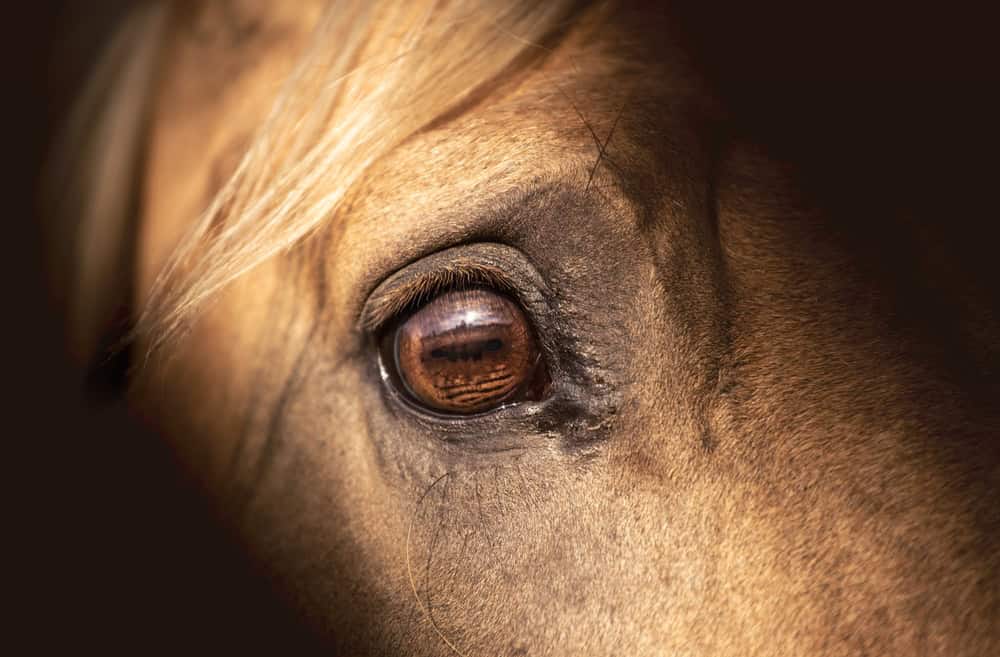
- Tight facial muscles, including widened eyes with visible white, flared nostrils, or teeth grinding
- Digestive disruption, loose manure or unusually frequent droppings
These responses are involuntary. A stressed horse is not choosing to behave this way. Its nervous system is reacting to a perceived threat, and no amount of correction will switch that off.
How Do You Tell Stress and Misbehavior Apart Behaviorally?
Behavior is where the distinction gets harder to read. Here is what each pattern actually looks like:
Pacing and Pawing
A stressed horse moves non-stop or paws in a frantic, repetitive way. A misbehaving horse, by contrast, stands still until asked to move or paws only to get food. One is panic. The other is a calculated request.
Freezing or Bolting
A stressed horse locks up or bolts because it genuinely cannot process your cue. Its brain is in survival mode. A misbehaving horse makes a deliberate choice to ignore an aid it knows well, often in a situation where it is physically relaxed and comfortable.
Tail and Ear Positioning
A worried horse clamps its tail or swishes it with tight, rapid tension. A stubborn horse might pin its ears back simply to say “no” to a task, while its body language remains calm and its breathing stays steady.
Why Does This Distinction Matter for Training?
The treatment for each is completely different. Applying pressure to a misbehaving horse teaches it that evasion does not work. Applying the same pressure to a stressed horse teaches it that scary situations get worse, not better.
Stress requires calm leadership, reduced stimulation, and patience. Misbehavior requires clear, consistent boundaries and follow-through. Confusing the two does not just slow training progress. It can damage your relationship with your horse in lasting ways.
How Can You Support a Stressed Horse?
Once you have identified genuine stress, here is how to respond:
- Reduce the stressor where possible. Change the environment, lower the noise level, or remove the trigger. Give the horse time to regulate before asking for anything.
- Rule out pain or underlying health issues. A horse in discomfort will often look stressed because it is. Your veterinarian should assess any horse showing persistent stress signals.
- Support recovery with therapeutic tools. Far infrared therapy has gained traction among horse owners as a gentle, non-invasive way to help horses relax and recover. Gladiator Equine’s far infrared therapy products are designed specifically for equine wellness, helping horses release tension and improve circulation without added stress.
The Takeaway: Read Your Horse Before You React
A stressed horse needs reassurance and care. A misbehaving horse needs clear, calm leadership. Both need an owner who can tell the difference.
Sharpening that skill transforms your approach to horsemanship, and it starts with observation. Watch the body, not just the behavior. Ask why before you correct.
If your horse is showing signs of stress or tension, explore Gladiator Equine’s far infrared therapy products. Designed to support equine relaxation and recovery, they offer a practical, evidence-backed tool for any horse owner focused on long-term wellness. Visit Gladiator Equine to learn more.
Frequently Asked Questions
How do I know if my horse is stressed or just being stubborn?
Look at the physical signs first. A stressed horse shows sweating, rapid breathing, tight facial muscles, or frequent manure drops without exertion. A stubborn horse is physically relaxed and calm while choosing to ignore a known command.
Can stress in horses cause long-term behavioral problems?
Yes. Chronic stress that goes unaddressed, or that is met with punishment, can lead to lasting anxiety, reduced trust in handlers, and ingrained avoidance behaviors. Early identification and appropriate care are important.
What causes stress in horses?
Common causes include changes in routine or environment, separation from herd mates, pain or physical discomfort, loud or unpredictable stimuli, and overly demanding training sessions without adequate recovery time.
Is far infrared therapy safe for horses?
Far infrared therapy is a non-invasive, drug-free approach widely used in equine wellness. It works by gently warming tissue to improve circulation and promote relaxation. Always consult your veterinarian before introducing a new therapeutic tool.
When should I call a vet about my horse’s stress?
If stress signs are persistent, escalating, or accompanied by changes in appetite, weight, or movement, consult your veterinarian. These symptoms can indicate an underlying health issue that training adjustments alone will not resolve.