May 18, 2026
Grain vs. Forage: What Your Horse Really Needs
Building a proper equine diet is one of the most critical responsibilities of horse ownership. Horses are anatomically designed to process high-quality fiber continuously throughout the day. However, navigating the modern landscape of horse feed can be confusing, especially when deciding between traditional pasture diets and concentrated commercial feeds.
Understanding the debate of grain vs forage is essential for maintaining your horse’s long-term health, performance, and well-being. A proper feeding strategy ensures your horse receives the right balance of nutrients while minimizing the risk of digestive distress.
Gladiator Equine breaks down the nutritional roles of both forage and grain, helping you evaluate exactly what your horse needs based on their unique biology and lifestyle.
Should horses eat more forage or grain?
Most horses benefit from forage as the foundation of their diet, while grain and concentrates are typically used to supplement additional energy or nutritional needs.
Forage: The Essential Foundation
Forage — which includes pasture, hay, and chaff — should always serve as the foundation of your horse’s diet. A horse’s digestive system relies on a steady intake of fiber to function correctly.
As a general rule, forage should make up at least 50% to 80% of a horse’s daily diet. To maintain optimal health, most horses need to consume roughly 1.5% to 2% of their body weight in fiber every single day.
The Engine of Equine Health
Constant access to forage keeps a horse’s hindgut working properly. The fermentation of fiber in the hindgut is a slow process that generates internal body heat, naturally maintaining the horse’s body temperature during colder months. Furthermore, continuous chewing produces saliva, which acts as a natural buffer in the stomach to prevent gastric ulcers.
Ideal Candidates for a Forage-Only Diet
Many horses thrive entirely on forage. “Easy keepers” (horses that maintain weight easily), idle horses, and horses engaged in light work can often live on a 100% forage diet paired with a simple vitamin and mineral supplement.
Assessing Forage Quality
Not all hay is created equal. To know exactly what nutrients your horse is getting from their horse feed, consider sending hay samples to local agricultural extension offices for a thorough nutritional analysis. This data allows you to see exactly which vitamins or minerals are present, and which ones you might need to supplement.
Grain: The Targeted Supplement
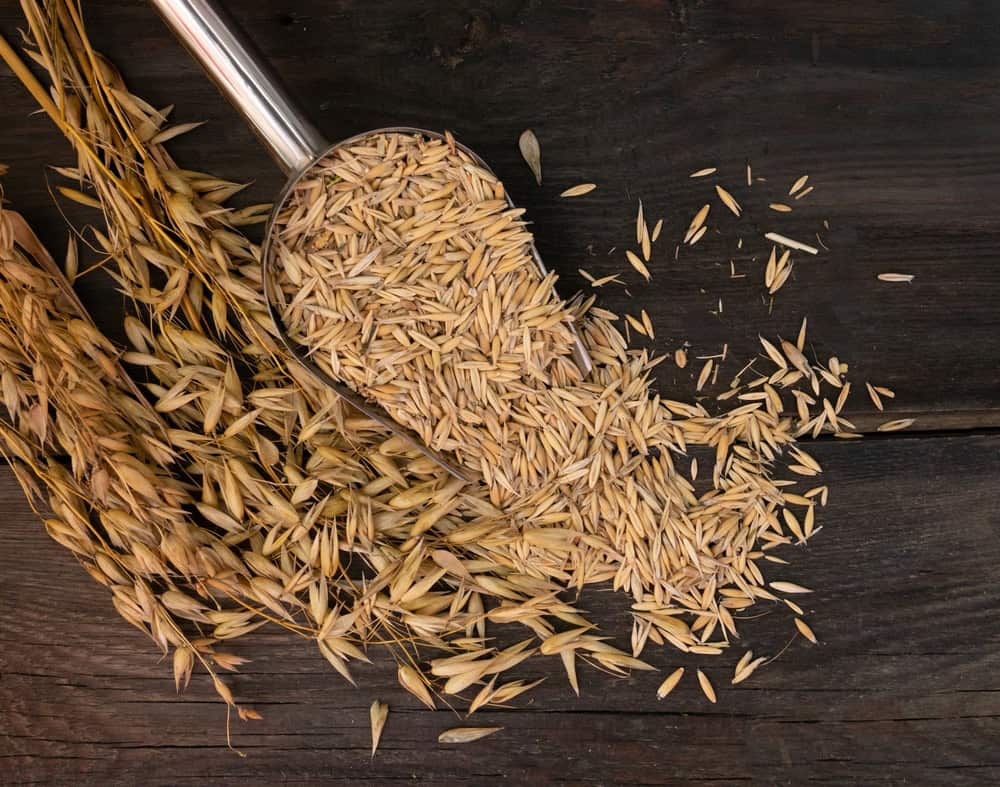
While forage is the foundation, grain serves as a targeted supplement. The term “grain” generally refers to concentrates like oats or corn, but it also encompasses pelleted feeds and sweet feeds.
Concentrates are formulated for a highly specific purpose. They provide quick-release energy and compensate for any missing vitamins, minerals, or proteins that forage alone cannot provide.
Who Needs Concentrates?
Not every horse requires grain. However, specific groups burn significantly more calories than hay can supply. Hard keepers, pregnant or lactating mares, growing foals, and high-performance equine athletes often require concentrated horse feed to maintain their body condition and meet high energy demands.
The Risks of Overfeeding
Relying too heavily on grain comes with significant health risks. A horse’s stomach is relatively small, and their digestive tract is sensitive to high starch and sugar levels. Overfeeding grain or making sudden dietary changes can lead to severe health issues, including colic, laminitis, and obesity.
Grain-Free Alternatives
If your horse requires a calorie boost but is sensitive to starches and sugars, you do not have to rely on traditional grains. Grain-free alternatives, such as soaked beet pulp or high-fat feeds (like stabilized rice bran), offer much safer choices for energy supplementation without the associated risks of starch overload.
How to Evaluate What Your Horse Needs
Developing a balanced feeding program requires looking at the individual horse. Your feeding strategy must be customized based on your horse’s specific life stage, workload, and Body Condition Score (BCS).
1. Prioritize Forage Quality
Always assess the forage first. Focus entirely on securing high-quality hay or pasture. Your horse’s baseline nutritional needs should ideally be met here.
2. Fill Nutritional Gaps
If your forage analysis reveals a lack of specific vitamins or minerals, add a ration balancer or a loose mineral supplement. This ensures your horse gets the necessary micronutrients without unnecessary calories.
3. Introduce Concentrates Gradually
If your horse struggles to maintain weight on forage alone or needs extra energy for heavy work, introduce a formulated grain feed. Any changes to a horse’s diet must be made gradually over a period of 7 to 10 days to allow their gut microbiome to adjust safely.
Fueling Your Horse for Optimum Health
Balancing grain vs forage comes down to letting forage do the heavy lifting and using grain only when necessary. By prioritizing high-quality fiber and carefully supplementing with concentrates, you can protect your horse’s digestive health while meeting their energy requirements.
Proper nutrition is just one pillar of equine care. Supporting your horse’s physical recovery and circulation is equally important for long-term vitality. To help your horse feel and perform their best, explore Gladiator Equine’s advanced far infrared therapy products. Our scientifically backed therapeutic gear promotes faster recovery, reduces inflammation, and keeps your equine athlete in peak condition.