May 11, 2026
Is Your Horse Drinking Enough?
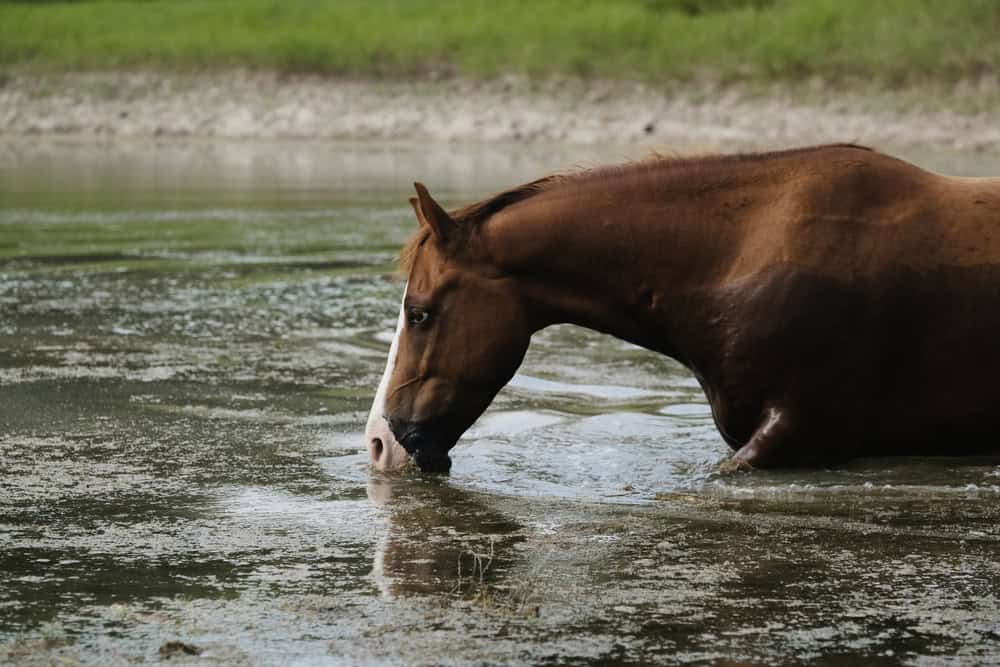
Water is one of the most important parts of your horse’s daily care. It supports digestion, circulation, temperature control, joint health, and muscle function. Even mild dehydration can affect comfort, performance, and recovery. More serious fluid loss can quickly become a health concern.
So, how much water does a horse need each day? For most adult horses, a typical range is 5 to 15 gallons of water per day. That said, there is no one-size-fits-all number. A horse’s daily water needs can change based on size, activity level, weather, diet, travel, and overall health.
Understanding what affects hydration can help you spot problems early and support your horse more effectively.
How much water should a horse drink each day?
Most horses drink between 5 and 15 gallons of water per day depending on their size, workload, weather conditions, diet, and overall health.
Average Daily Water Intake for Horses
A healthy adult horse at rest often drinks around 0.5 to 1 gallon of water per 100 pounds of body weight per day.
That means:
- A 900-pound horse may drink about 4.5 to 9 gallons daily
- A 1,200-pound horse may drink about 6 to 12 gallons daily
- Larger horses, horses in work, or horses in hot weather may drink 15 gallons or more
Some horses will drink a large amount at once. Others prefer smaller amounts throughout the day. What matters most is that your horse has regular access to clean, fresh water and maintains a normal drinking pattern.
What Can Change a Horse’s Water Needs?
Several factors can raise or lower how much your horse drinks. Paying attention to these variables can help you respond before dehydration becomes an issue.
1. Body Size
Larger horses usually need more water than smaller horses. More body mass means more tissue, more metabolic demand, and often more fluid loss through normal daily function.
2. Workload and Exercise
Horses in training, competition, or regular work lose water through sweat and breathing. The harder the work, the greater the fluid loss. Horses that exercise heavily may need much more water than the average horse at rest.
If your horse works in heat or humidity, water needs can climb even higher.
3. Temperature and Humidity
Hot weather often leads to increased drinking because horses sweat more to cool themselves. High humidity can make cooling less efficient, which may increase stress on the body and raise hydration needs further.
Cold weather can also create problems. Some horses drink less in winter, especially if the water is too cold or partially frozen. That drop in intake can increase the risk of dehydration and even contribute to impaction colic.
4. Diet
Feed type plays a big role in hydration.
- Horses eating dry hay usually need to drink more water
- Horses on fresh pasture may get some moisture from the grass
- Higher salt intake can increase thirst
- Concentrates and grain-heavy diets may also affect fluid needs
If your horse’s diet changes, water intake may change with it.
5. Lactation
Lactating mares need significantly more water. Milk production requires a high amount of fluid, so these mares should be watched closely to make sure they are drinking enough throughout the day.
6. Travel
Travel can disrupt a horse’s normal drinking habits. Some horses drink less because of stress, unfamiliar surroundings, or changes in water taste. Long trailer rides can increase the risk of dehydration, especially in warm conditions.
7. Overall Health
Health conditions can affect both water intake and fluid loss. Fever, diarrhea, sweating, kidney issues, dental problems, and some medications can all influence hydration. A horse that suddenly drinks much less or much more than usual should be monitored carefully.
Signs of Dehydration in Horses
Dehydration is not always obvious at first. Knowing the early signs can help you act quickly. Watch for:
- Dry or tacky gums
- Sunken or dull-looking eyes
- Lethargy or unusual fatigue
- Reduced appetite
- Dark urine or less frequent urination
- Poor performance or slower recovery after work
- Increased heart rate
- Skin that does not snap back quickly after a skin pinch test
- Capillary refill time seems delayed
- Constipation or signs of colic
A horse with mild dehydration may simply seem “off.” More severe dehydration can become dangerous fast.
Simple Ways to Check Hydration
While hydration checks do not replace veterinary care, they can help you notice changes early.
- Gum Moisture: A healthy horse’s gums should feel moist, not dry or sticky.
- Capillary Refill Time: Press gently on the gum until it turns pale, then release. Color should return within about 1 to 2 seconds. A slower refill may suggest a circulation or hydration issue.
- Skin Pinch Test: Pinch a small fold of skin on the neck or shoulder and release it. In a well-hydrated horse, the skin should return to normal quickly. If it tents or moves back slowly, dehydration may be present.
These checks are useful, but they are not perfect on their own. Age, body condition, and health status can affect results.
Tips to Encourage Healthy Hydration
Good hydration habits start with daily management. A few simple steps can make a big difference.
-
- Provide Clean, Fresh Water at All Times: Water should be easy to access and available throughout the day. Buckets, troughs, and automatic waterers should be cleaned often to keep water appealing.
- Monitor How Much Your Horse Drinks: Knowing your horse’s normal pattern helps you catch changes early. This is especially important during hot weather, after exercise, during travel, and when your horse is sick.
- Offer Water Frequently During Work and Recovery: Do not wait until your horse is finished for the day. Offering water before, during breaks, and after exercise can support safer hydration and recovery.
- Keep Water Palatable During Travel: Some horses dislike unfamiliar water. Bringing water from home or flavoring water consistently before a trip may help encourage drinking on the road.
- Manage Winter Water Access: In colder weather, make sure water is not frozen and is comfortable to drink. Many horses drink better when water is slightly warmed rather than ice cold.
- Adjust Feeding as Needed: If your horse eats mostly dry forage, you may need to pay closer attention to water intake. In some cases, soaking feed or adding wet mash can help increase fluid intake, if appropriate for your horse.
- Use Salt Appropriately: Salt can help support normal thirst and hydration, but it should be used thoughtfully. Make changes carefully and ask your veterinarian or equine nutrition professional if you are unsure what is right for your horse.
When to Call a Veterinarian
Contact your veterinarian if your horse:
- Refuses water or drinks far less than normal
- Shows clear signs of dehydration
- Has diarrhea, fever, or signs of illness
- Sweats heavily and does not seem to recover normally
- Shows signs of colic
- Becomes weak, depressed, or unusually dull
- Has a sudden change in water intake with no clear cause
It is also wise to call your veterinarian if your horse drinks excessively for more than a short period, as that can point to an underlying health issue.
Daily Hydration Is a Key Part of Horse Wellness
Most horses need 5 to 15 gallons of water per day, but daily intake can vary widely. Body size, workload, temperature, humidity, diet, lactation, travel, and health all play a role. The best approach is to learn what is normal for your horse, provide consistent access to clean water, and respond quickly when something changes.
Hydration supports every part of your horse’s well-being, from digestion and performance to comfort and recovery.
If you are building a more complete wellness routine for your horse, explore Gladiator Equine’s far infrared therapy devices. They are designed to support comfort, circulation, and recovery, making them a valuable addition to your horse’s daily care plan.