August 10, 2026
Ponies vs Horses: What’s the Difference?
Quick answer: The primary difference between ponies and horses is height. At maturity, ponies measure under 14.2 hands (58 inches or 148 cm), while horses measure 14.2 hands or taller. They also differ in body build, coat thickness, metabolism, and temperament, making each suited to different riders and purposes.
Many people assume a pony is simply a baby horse. That’s actually a common misconception. A baby horse is called a foal. Ponies and horses are distinct types of equines, each with its own physical traits, care needs, and personalities.
Knowing the difference between ponies and horses matters, whether you’re choosing your first equine companion or expanding your stable. Gladiator Equine breaks down the key distinctions so you can make the right call.
Physical Differences Between Ponies and Horses
1. How Are Ponies and Horses Measured?
Height is the defining factor in the ponies vs horses debate. Both are measured at the withers, the highest point of the shoulder blade. At maturity, ponies stand under 14.2 hands (58 inches or 148 cm). Horses stand at 14.2 hands or taller.
2. How Do Their Body Types Differ?
Beyond height, the two look quite different up close. Ponies tend to have stockier, more compact builds, with wider barrels, shorter legs, and thicker necks. Horses carry longer, leaner frames built for speed and athletic performance.
3. Do Ponies and Horses Have Different Coats?
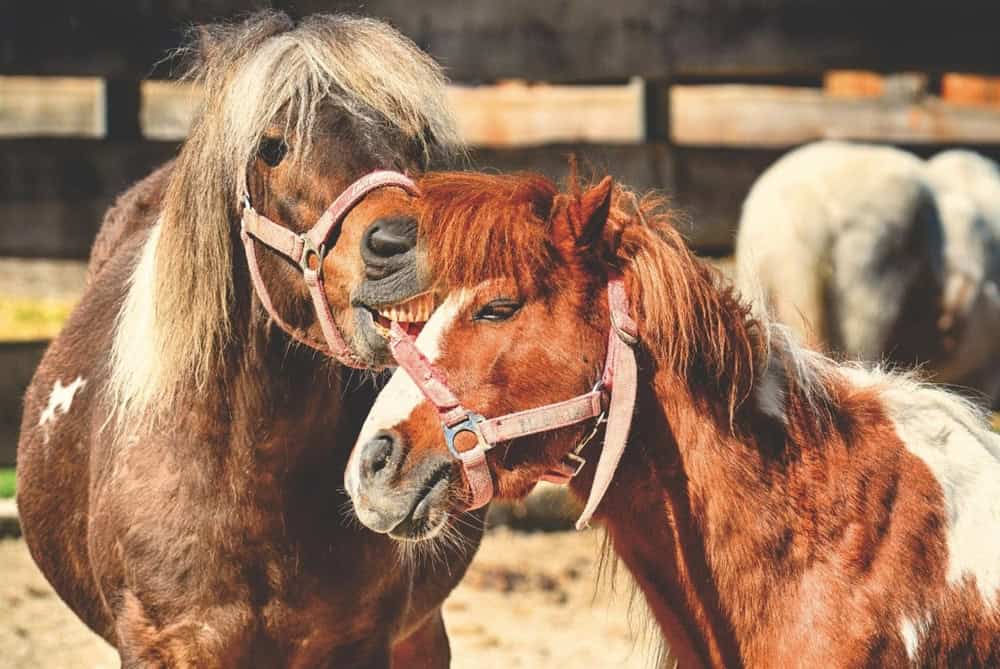
Yes. Ponies grow thicker winter coats, heavier manes, and fuller tails, traits that helped them survive harsh climates over centuries. Horses have finer, thinner coats and hair. If you’re caring for a pony through winter, expect more grooming to manage that dense coat.
4. How Do Their Diets and Metabolisms Compare?
Ponies are known as “easy keepers.” They gain weight quickly and need less feed relative to their size. Horses require more food proportional to their build. Overfeeding a pony can lead to health issues like laminitis, so diet management is a key part of pony care.
Behavioral Differences Between Ponies and Horses
Temperament is another area where the two diverge. Ponies are often described as clever, independent, and occasionally stubborn. This can make them entertaining companions, but they may require a more patient handler.
Horses tend to be more willing to work alongside humans, which is one reason they’re commonly used in competitive riding and sport. That said, both can be trained effectively with consistent, proper handling. Temperament varies by individual animal and breed, not just by category.
Important Exceptions to the Height Rule
Height isn’t always the final word. Some breeds carry names that don’t align with standard classifications. Polo Ponies, for example, often exceed 14.2 hands but retain the “pony” name by tradition. Icelandic Horses, on the other hand, typically fall under the height threshold but are always referred to as horses.
Breed conventions and historical naming practices sometimes override the standard height classifications, so it’s worth researching the specific breed you’re considering.
FAQ: Ponies vs Horses
Is a pony just a baby horse?
No. A baby horse is called a foal. A pony is a distinct type of equine that remains under 14.2 hands at full maturity, regardless of age.
What is the height cutoff for a pony vs a horse?
The standard cutoff is 14.2 hands (58 inches or 148 cm) measured at the withers. Equines under this height at maturity are generally classified as ponies.
Are ponies easier to care for than horses?
In some ways, yes. Ponies require less feed and are generally hardy, but their tendency to gain weight quickly means diet management is especially important. Their thick coats also require more grooming in cooler months.
Are ponies good for beginner riders?
Ponies can be a good fit for younger or smaller riders, but their independent streak means they need a confident handler. Some horses are actually better suited to nervous beginners.
Do all short horses count as ponies?
Not always. Breed tradition can override height rules. Icelandic Horses are a well-known example of a breed that stands below the standard cutoff but is always called a horse.
Find the Right Equine Partner with Gladiator Equine
The difference between ponies and horses comes down to more than a few inches. Height sets the baseline, but build, coat, metabolism, and temperament all shape the day-to-day experience of owning each equine type.
Both ponies and horses make excellent companions and working animals. The right choice depends on the rider, the intended use, and the level of care you can provide. But even the best choice can be difficult to train and keep healthy. Check out Gladiator Equine’s Far Infrared products for devices that help your horse heal and make training easier.