
June 29, 2026
How to Tell if Your Horse Is Thriving
Quick Answer: A happy, healthy, and comfortable horse displays relaxed body language, a shiny coat, and stable eating habits. Key indicators include soft eyes, a loose tail, eagerness to interact with handlers, and balanced movement. Recognizing these signs helps owners ensure their equine partners remain in excellent physical and mental condition.
Understanding equine behavior is a crucial part of responsible horsemanship. Because horses cannot tell us when something is wrong, we must rely on careful observation to gauge their physical and emotional well-being. By paying close attention to their daily habits and physical cues, you can quickly identify when your equine partner feels their best.
A truly happy horse will show specific signs through their body language, physical condition, and interactions with others. Let us explore the primary indicators that your horse is feeling great.
What Are the Signs Your Horse Is Happy?
Your horse’s body language provides immediate insight into their emotional state. A happy horse carries less physical tension and engages calmly with their surroundings.
1. Relaxed Facial Features
A contented horse has a soft expression. Their eyes appear round without any tension around the lids. Additionally, the muzzle stays relaxed, and you may even notice a slightly drooping lower lip when they rest.
2. Calm Ears
Ears are a primary communication tool. When a horse is at peace, their ears generally point slightly to the side or gently forward. They will swivel naturally and calmly to take in ambient sounds without sudden, frantic pinning.
3. Loose Tail
A tight, clamped tail often signals fear or discomfort. Conversely, a loose tail that hangs straight down while standing and swings freely as the horse walks is a strong indicator of a happy horse.
What Are the Signs Your Horse Is Healthy?
Physical health forms the foundation of a horse’s overall comfort. A healthy horse maintains consistent daily routines and shows obvious physical vitality.
4. Vitality and Coat
Internal health often reflects on the outside. Look for a bright, alert gaze and a shiny, glowing coat. Poor coat condition can sometimes indicate nutritional deficiencies or underlying health issues.
5. Healthy Appetite
Consistent eating and drinking habits are vital. A healthy horse eagerly consumes their daily meals and drinks between 5 and 10 gallons of water daily. They should also maintain an appropriate, stable body weight.
6. Regular Output
Normal digestion is critical for equine health. Steady digestive sounds and consistent, regular bathroom habits confirm that the horse’s gastrointestinal tract is functioning properly.
What Are the Signs Your Horse Is Comfortable?
Physical comfort means your horse is free from pain, stiffness, and environmental stress. Comfortable horses move easily and rest deeply.
7. Resting Posture
When a horse feels entirely secure in their environment, they will often stand quietly with one hind leg cocked. This resting posture shows that they do not feel the need to flee and are completely comfortable.
8. Playfulness
Expressive, energetic behaviors demonstrate physical comfort and a good mood. Rolling enthusiastically, bucking playfully in the pasture, or kicking their heels up are excellent signs of well-being.
9. Balanced Movement
A comfortable horse moves with even, smooth strides across all gaits. They should not show any signs of stiffness, stumbling, or reluctance to move forward.
How Do Social Interactions Show Well-Being?
Horses are herd animals. Their social interactions offer valuable clues about their mental state and sense of security.
10. Positive Herd Dynamics
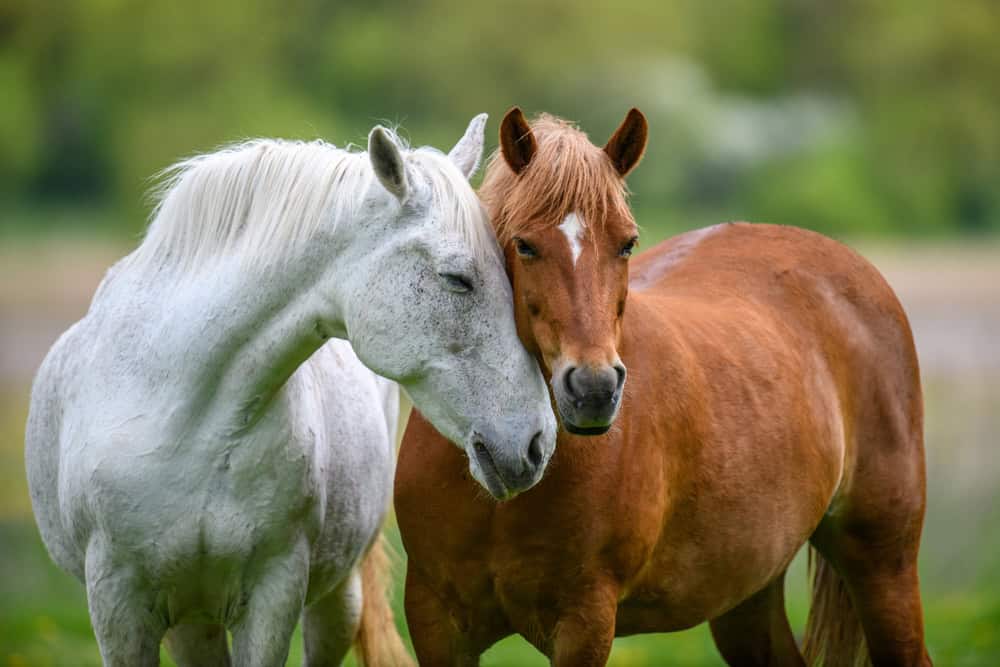
A relaxed horse engages peacefully with their pasture mates. You will often see them participating in mutual grooming or sharing eating spaces without aggressive resource-guarding.
11. Trust in Handlers
A horse that feels secure will willingly approach you in the pasture. They respond positively to being caught, haltered, and groomed, showing clear trust in their human handlers.
Frequently Asked Questions
How much water should a healthy horse drink daily?
A healthy horse typically drinks between 5 and 10 gallons of water each day, depending on their size, diet, and the weather.
What are common signs of stress in a horse?
Stress often manifests through repetitive behaviors, such as weaving or crib-biting. A lack of these stereotypic behaviors means the horse’s environment is generally stress-free.
Why does my horse rest with one back leg cocked?
Resting with one hind leg cocked allows the horse to relax their muscles. It indicates that the horse feels secure and comfortable in their current environment.
Keep Your Equine Partner Feeling Their Best
Monitoring your horse’s body language, appetite, and social interactions makes it much easier to ensure they stay in peak condition. When you know what a happy horse and a healthy horse look like, you can quickly address any minor issues before they become major problems.
If you want to proactively support your horse’s physical comfort and muscle recovery, explore Gladiator Equine’s far infrared therapy products. Our advanced therapy solutions are designed to promote circulation, reduce stiffness, and keep your horse feeling comfortable, relaxed, and ready to perform.