April 20, 2026
Managing Swelling and Inflammation in Horses
When a horse sustains an injury, the immediate aftermath can be stressful for both the animal and the owner. Whether it is a minor sprain from a misstep in the pasture or a more severe tendon issue, noticing swelling or signs of injury is often the first indication that something is wrong. Knowing how to act quickly and effectively can make a significant difference in the recovery timeline and overall well-being of the animal. Gladiator Equine understands the urgency of these situations and provides expert solutions to facilitate proper healing.
Dealing with horse injury inflammation requires a prompt, well-planned approach. Inflammation is the body’s natural response to trauma, designed to protect the injured area and begin the healing process. However, if left unchecked, excessive swelling can cause further tissue damage and prolong recovery. Addressing the problem early ensures that the horse remains as comfortable as possible while mitigating long-term complications.
This comprehensive guide outlines the essential steps for immediate and ongoing care for equine injuries. From the critical first 48 hours of treatment to long-term healing strategies, we will cover the proven methods to manage inflammation safely. By following these established protocols, you can help your horse return to peak performance and health.
Immediate Actions: The First 24-48 Hours
Cold Therapy: The Cornerstone of Initial Injury Management
During the initial stages of an injury, cold therapy is highly effective for reducing swelling of your horse’s injury. Applying cold to the affected area causes vasoconstriction, which narrows the blood vessels and decreases blood flow. This process significantly reduces the amount of heat and fluid accumulating in the tissues, limiting the extent of the inflammation.
There are several practical methods for applying cold therapy. Cold hosing is one of the most accessible options, directing a steady stream of cold water over the injured area. For more targeted treatment, ice boots or ice water buckets can be utilized to submerge the lower limbs.
A standard cold therapy protocol involves applying the treatment for 15 to 20 minutes at a time, repeating the process every few hours during the first 24 to 48 hours. It is crucial to monitor the application carefully to avoid damaging the skin. Always use a protective buffer, such as a thin cloth, if you are applying ice packs directly, and never apply cold therapy to open wounds without veterinary approval.
Compression Wraps: Supporting and Reducing Swelling
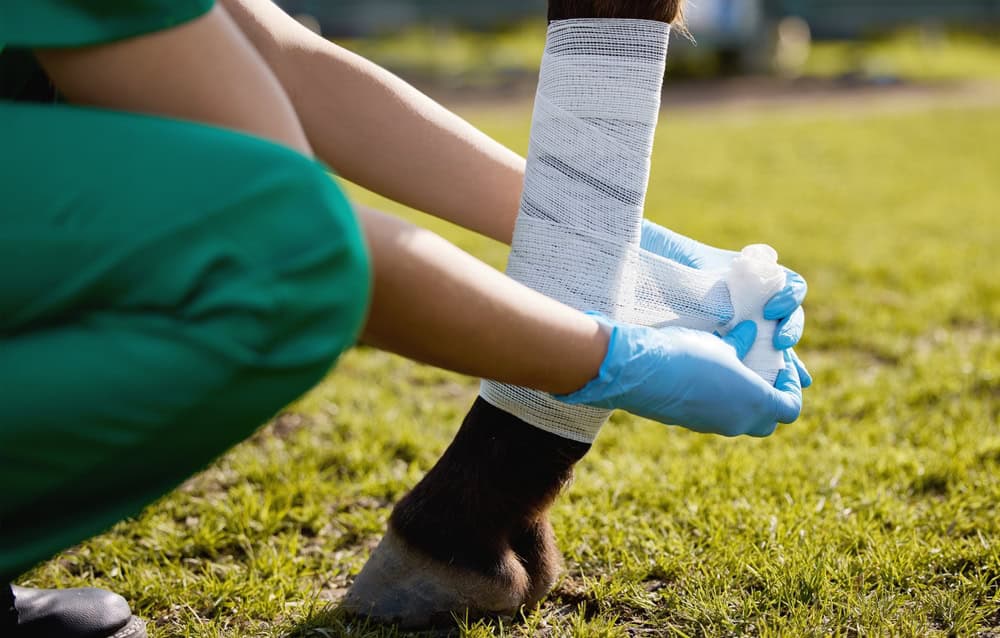
Alongside cold therapy, compression wraps provide vital support and help control horse injury inflammation. By applying gentle, even pressure, a properly applied bandage prevents fluid from pooling in the lower extremities. This physical barrier to swelling keeps the injury localized and provides mechanical support to weakened tendons or ligaments.
The technique used to apply a compression wrap is extremely important. A bandage wrapped too tightly or with uneven tension can cause severe damage, including tendon bowing or restricted circulation. Always ensure the horse is standing squarely on all four legs before applying the wrap, and use adequate padding beneath the outer bandage to distribute the pressure evenly.
Medical and Topical Interventions
NSAIDs: Pain and Inflammation Relief
In many cases, physical therapies need to be supplemented with medical treatments to manage pain and inflammation effectively. Non-steroidal anti-inflammatory drugs (NSAIDs) play a vital role in reducing systemic inflammation and keeping the horse comfortable. However, these medications must always be administered under the direct guidance of a licensed veterinarian.
Common NSAIDs prescribed for horses include Phenylbutazone (Bute), Flunixin meglumine (Banamine), and Firocoxib (Equioxx). Your veterinarian will determine the appropriate medication and dosage based on the specific injury.
It is essential to monitor your horse closely while they are on these medications, as extended use can lead to gastrointestinal issues such as ulcers or kidney problems.
Topical Treatments: Drawing Out Heat and Fluid
Topical treatments are another valuable tool for managing localized horse injury swelling. Products like poultices, sweats, and liniments containing ingredients like DMSO or Epsom salts are designed to draw out heat and excess fluid from the injured tissues.
A clay poultice can be applied to the legs and left to dry, providing a cooling effect that pulls heat away from the skin. Sweats, often used with plastic wrap and a standing bandage, create a warming effect that increases circulation to flush out toxins. Always follow the manufacturer’s instructions carefully and avoid applying these harsh topical treatments over open wounds or irritated skin.
The Critical Role of Rest in Recovery
Regardless of the treatments applied, rest is an absolute necessity for proper healing. Initial stall rest is usually required to restrict the horse’s movement, preventing them from exacerbating the injury. Keeping the horse confined ensures that the damaged tissues have the opportunity to stabilize without bearing unnecessary weight or strain.
As the healing progresses and the veterinarian gives clearance, controlled exercise can be gradually introduced. This typically begins with short sessions of hand-walking on firm, even ground. Controlled movement helps to organize the new scar tissue and prevents the joints and tendons from becoming stiff, easing the transition back to regular activity.
Long-Term Healing and Prevention with Gladiator Equine
Managing the immediate symptoms of an injury is just the first step. For long-term recovery and the prevention of future issues, Gladiator Equine provides advanced, non-invasive solutions. Our far infrared devices utilize cutting-edge technology to penetrate deep into the horse’s tissues, stimulating circulation and cellular repair.
Far infrared therapy gently increases the ambient temperature of the targeted muscles, joints, and tendons. This enhanced blood flow delivers essential nutrients and oxygen to the injured area, accelerating the natural healing process. It is highly effective for alleviating chronic pain and reducing persistent horse injury inflammation. Most importantly, Gladiator Equine offers a completely drug-free and chemical-free approach to pain management and recovery.
To learn more about how our innovative technology can support your horse’s recovery, contact Gladiator Equine today for more information about our far infrared equine healing devices.