
April 27, 2026
Spring Horse Care: Essential Tips for a Healthy Season
The melting snow and longer days signal the arrival of warmer weather. Transitioning your equine partner from a cold winter routine to a more active warm-weather schedule requires careful planning. Proper spring horse care ensures your horse remains healthy, comfortable, and ready for the busy riding months ahead.
Making seasonal adjustments is critical to prevent common health issues related to diet, fitness, and environment. A sudden change in routine can lead to severe complications, from digestive upset to preventable injuries.
At Gladiator Equine, we understand the nuances of equine management. Caring for your horse in the spring involves a combination of veterinary oversight, nutritional management, and diligent grooming. This guide outlines the essential steps to help your horse transition smoothly and safely into the new season.
Health and Veterinary Essentials
A new season is the perfect time to evaluate your horse’s overall health. Scheduling professional check-ups ensures you catch potential issues before they become serious problems.
1. Spring Vaccinations and Wellness Checks
Booking a spring veterinary visit is a vital first step. Your veterinarian will administer core vaccinations, such as Tetanus, Rabies, West Nile Virus, and Eastern/Western Equine Encephalomyelitis.
Depending on your location and travel plans, risk-based vaccines might also be necessary. An annual physical examination allows your vet to establish a health baseline for the year.
2. Dental Care and Coggins Testing
Equine teeth grow continuously and wear down unevenly, creating sharp points that cause pain and poor digestion. Schedule a dental exam to see if your horse’s teeth need floating.
Additionally, if you plan to travel to shows or trail rides, you will need an updated Coggins test to screen for Equine Infectious Anemia.
3. Strategic Deworming Protocols
The days of deworming every horse on the same rotating schedule are gone. Modern spring horse care relies on fecal egg counts. Your veterinarian will analyze a manure sample to determine the specific parasite load of your horse. This targeted approach prevents parasite resistance and ensures your horse only receives the medication they truly need.
4. Body Condition Scoring (BCS)
Winter coats easily hide weight loss or gain. Run your hands over your horse’s ribs, neck, and tailhead to assess their Body Condition Score (BCS). Recognizing whether your horse lost muscle mass or gained excess fat over the winter dictates how you will adjust their spring feeding and training programs.
Nutritional Adjustments and Grazing Management
Spring pastures look inviting, but they pose significant risks if introduced too quickly. Managing your horse’s diet during this transition is critical for their digestive health.
5. Gradual Introduction to Spring Pastures
Lush spring grass is incredibly high in sugar and fructans. Allowing a horse unrestricted access immediately can trigger laminitis or severe colic. Start by allowing just 15 to 30 minutes of grazing per day. Over the course of two to three weeks, slowly increase their turnout time on the grass to give their digestive system time to adapt.
6. Rethinking Your Horse’s Diet
As your horse transitions to nutrient-rich pasture, their need for supplemental feed changes. You will likely need to reduce grain-based feeds to prevent unwanted weight gain and excess energy. However, provide free-choice minerals and electrolytes to ensure their basic nutritional requirements are met as temperatures begin to rise.
7. The Critical Role of Hydration
Changes in diet require adequate hydration to keep the digestive tract moving smoothly. Ensure your horse has constant access to clean, fresh water. Check water troughs frequently to clear out spring debris and algae buildup.
Grooming and Tack Maintenance for the Changing Season
Spring brings muddy paddocks and shedding coats. A thorough grooming and equipment routine keeps your horse comfortable and safe.
8. Conquering the Spring Shed
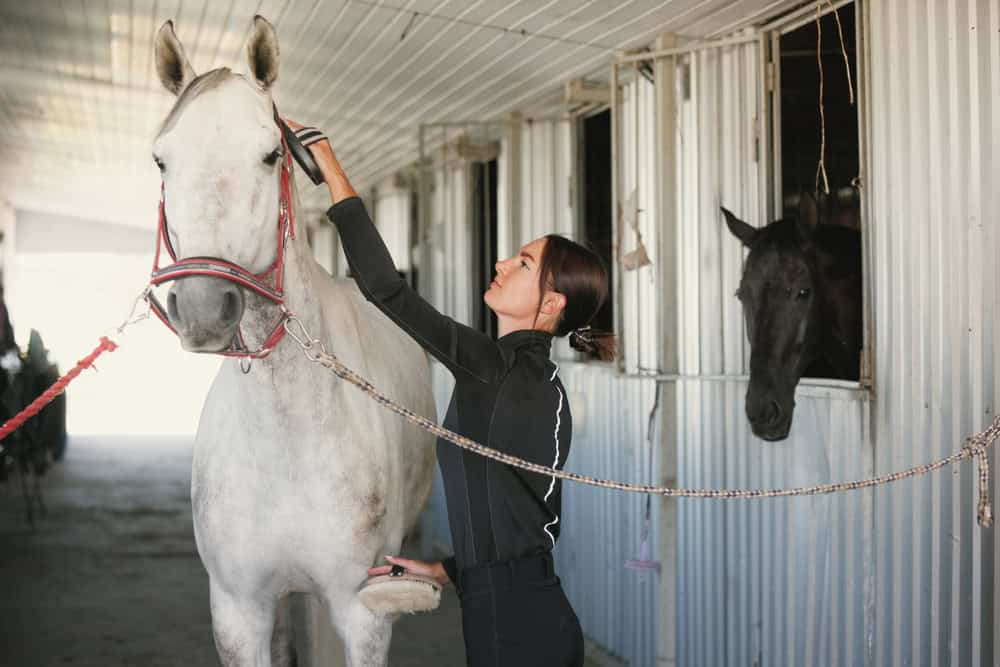
As the days lengthen, horses begin to lose their thick winter coats. Daily grooming removes dead hair and stimulates natural oil production for a healthy, shiny coat. Invest in quality shedding blades and rubber curry combs to make this intensive process more manageable.
9. Skin Health and Early Detection
Long winter hair often conceals underlying skin conditions. As you groom, inspect your horse closely for rain rot, lice, and minor skin infections. Catching these issues early prevents them from spreading. Wash your brushes regularly to maintain good hygiene.
10. Tack and Equipment Audit
Before saddling up for the first big ride of the season, inspect your gear. Clean and condition all leather tack, checking for cracked straps or weakened stitching. Assess the fit of your saddle, as your horse’s body shape may have changed over the winter due to weight fluctuations or muscle loss.
Pasture and Safety Considerations
Your horse’s environment needs a spring cleaning just as much as your tack room does.
11. Fencing and Hazard Inspection
Heavy snow, ice, and high winds can damage pasture perimeters. Walk your fence lines to check for broken boards, loose wire, or damaged posts. Clear the pasture of fallen branches, debris, and any trash that may have blown in during winter storms.
12. Preparing for Unpredictable Spring Weather
Spring weather changes rapidly. Sunny mornings often turn into cold, rainy afternoons. Keep lightweight, waterproof rain sheets accessible. Proper mud management in high-traffic areas, like gates and water troughs, helps prevent hoof issues such as thrush and scratches.
Training and Activity Planning
Your horse’s fitness level likely dropped during the colder months. Returning to work requires patience.
13. Slowly Rebuilding Fitness
Avoid the temptation to pick up exactly where you left off last fall. Rebuild your horse’s fitness slowly with a graduated conditioning program. Start with long periods of walking and short trotting intervals. Tailoring workouts to their current fitness level prevents muscle strains, tendon injuries, and mental burnout.
A Proactive Approach to the New Season
Caring for your horse in the spring is a multi-step process that encompasses health, nutrition, grooming, and safety. By scheduling your veterinary checks, managing spring grazing carefully, and slowly reintroducing exercise, you set your horse up for a successful and healthy year. Proactive seasonal management is the key to a happy equine partner.
To further support your horse’s recovery and overall wellness this season, explore the advanced solutions offered by Gladiator Equine. Our far infrared therapy products are designed to increase circulation, reduce inflammation, and accelerate healing. Visit Gladiator Equine today to discover how our technology can enhance your horse’s spring conditioning program.