
February 25, 2026
How to Handle a Nervous or Anxious Horse
A nervous horse can escalate quickly. One moment, they’re pawing the ground or tossing their head, and the next, they’re spinning in circles or refusing to move forward. Whether you’re dealing with a young horse encountering new stimuli or an experienced mount reacting to past trauma, managing equine anxiety requires skill, patience, and understanding.
The key to success starts with you. Horses are remarkably perceptive animals that mirror the emotions of their handlers. If you approach a nervous horse with tension in your body or uncertainty in your movements, they’ll sense it immediately. Your composure becomes their anchor. By remaining calm, using proven handling techniques, and understanding what triggers their fear, you can transform anxious episodes into opportunities for building trust.
Gladiator Equine will walk you through practical strategies for handling a nervous or anxious horse, from recognizing early warning signs to implementing long-term management solutions that promote lasting calmness.
Understanding Your Nervous Horse
Before you can effectively manage anxiety, you need to recognize its signs. A nervous horse might display obvious behaviors like rearing, bolting, or refusing to enter a trailer. However, anxiety often appears in subtler forms: pinched ears, a tense jaw, rapid breathing, excessive sweating, or a high head carriage with wide eyes.
Understanding the root cause matters too. Some horses develop anxiety from specific traumatic experiences, while others have naturally sensitive temperaments. Environmental factors like sudden sounds, unfamiliar objects, or chaotic surroundings can trigger fear responses. The horse’s past handling also plays a role — inconsistent training or harsh punishment often creates deeper anxiety issues.
Perhaps most importantly, horses mirror human emotions with remarkable accuracy. When you feel nervous, your heart rate increases, your breathing becomes shallow, and your muscles grow tense. Your horse detects all of these signals through their highly developed sensory systems. They interpret your anxiety as confirmation that danger exists, which amplifies their own stress response. This creates a feedback loop where your nervousness heightens theirs, and their anxiety increases yours.
Core Handling Techniques for Anxious Horses
When faced with an anxious horse, your instinct might be to force them to stand still and “calm down.” Resist this urge. A nervous horse standing still is like a pressure cooker building steam — eventually, they’ll explode. Instead, keep their feet moving. Forward movement allows them to dissipate nervous energy while giving their mind something to focus on besides their fear.
Walk them in controlled circles, ask for simple lateral movements, or guide them through serpentines. The specific exercise matters less than maintaining calm, purposeful movement. This approach works with the horse’s instincts rather than against them. In the wild, horses flee from danger; by allowing controlled movement, you’re providing an outlet for that instinctive response while keeping them safe.
Pressure-and-release is your most powerful tool for building trust with a nervous horse. This technique involves applying gentle, consistent pressure through your aids — whether that’s a leg cue, rein contact, or physical touch — and immediately releasing that pressure the moment the horse responds correctly. For an anxious horse, this creates a clear communication system that helps them understand what you’re asking.
The critical element is timing. Release the pressure instantly when they make even the smallest effort in the right direction. This teaches them that responding to your cues makes uncomfortable situations resolve quickly. Over time, this builds confidence because the horse learns they can control outcomes through their actions. Never trap an anxious horse with unyielding pressure, as this triggers their fight response and destroys trust.
Training Strategies That Build Confidence
Redirecting your horse’s focus transforms anxiety into engagement. When a horse becomes fixated on a perceived threat, their rational thinking shuts down. By asking them to perform simple, familiar tasks, you interrupt that fear response and get them thinking instead of reacting.
Start with exercises they know well. Ask for a few steps of shoulder-in, a small circle, or backing up a few strides. These movements don’t need to be perfect — the goal is mental engagement, not technical precision. As their attention shifts to the task, you’ll notice physical signs of relaxation: their breathing will slow, their head will lower, and their jaw will soften.
Repetitive, low-stakes activities work particularly well. Groundwork exercises like leading through poles, stepping over small obstacles, or walking figure-eights provide structure and predictability. These tasks occupy their mind with something concrete rather than allowing them to spiral into worry about imaginary threats.
Never punish a horse for being scared. This is perhaps the most common and damaging mistake people make with anxious horses. When a horse spooks at a plastic bag and you respond by jerking the reins or using your crop, you confirm their belief that the situation is dangerous. You’ve just taught them that not only is the plastic bag scary, but now you’re scary too.
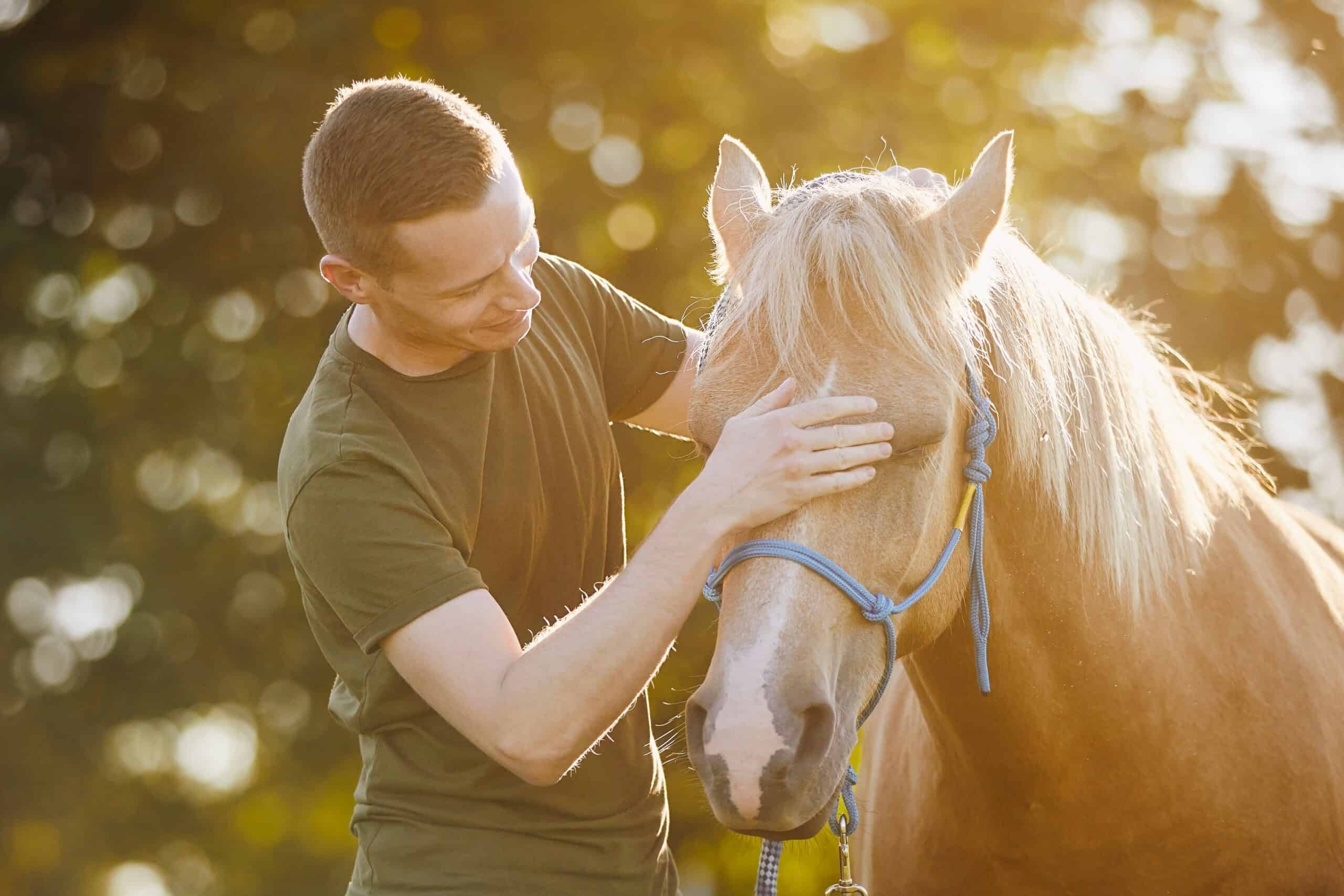
Instead, use calming reassurance. Maintain a steady, low voice. Pat their neck. If the situation allows, offer a treat to create a positive association. Some horses respond well to light grooming during anxious moments, as the rhythmic motion mimics mutual grooming behaviors that horses use to comfort each other. Your goal is to become their safe space, not another source of stress.
Long-Term Management for a Calmer Horse
Consistency is crucial for managing an anxious horse over time. Horses are creatures of routine, and predictable patterns provide them with a sense of security. Establish regular feeding times, turnout schedules, and exercise routines. When their day follows a familiar structure, they expend less mental energy worrying about what comes next.
This doesn’t mean their life must be rigid or boring. Rather, it means maintaining core patterns while gradually introducing variety. If you need to change their routine, do so incrementally rather than making abrupt shifts.
Desensitization
Desensitization training helps nervous horses build confidence around specific triggers. This process involves gradually exposing them to feared stimuli in a controlled, low-pressure environment. Start at a distance or intensity level where the horse notices the trigger but doesn’t react with fear. Reward calm behavior, then slowly decrease distance or increase intensity over multiple sessions.
For example, if your horse fears tarps, begin by placing a tarp folded up at the edge of their arena. Let them investigate it on their own terms over several days. Gradually unfold it, move it closer to their path, and eventually introduce movement. This process might take weeks, but rushing creates setbacks that can worsen the original anxiety.
Dietary Adjustments
Dietary adjustments can significantly impact a horse’s overall anxiety levels. High-carbohydrate feeds provide quick energy that can manifest as nervous behavior in sensitive horses. Consider switching to a higher-fat, lower-carbohydrate diet, which provides sustained energy without the peaks and valleys that can contribute to excitability.
Consult with an equine nutritionist to ensure your anxious horse receives adequate magnesium and B vitamins, which support nervous system function. Some horses also benefit from supplements containing ingredients like tryptophan or theanine, though these should be used under veterinary guidance.
Therapeutic Solutions for Muscle Relaxation
Physical tension and mental anxiety often go hand in hand. An anxious horse carries stress in their muscles, particularly through their neck, back, and hindquarters. This chronic tension can create a cycle where physical discomfort increases anxiety, which causes more muscle tension.
Far infrared therapy offers a non-invasive solution for helping anxious horses release physical tension. This therapeutic approach uses infrared wavelengths to penetrate deep into muscle tissue, promoting increased circulation, reducing inflammation, and encouraging muscle relaxation. For a nervous horse, the warming effect can provide comfort similar to the calming sensation humans experience from a warm bath.
Regular use of far infrared therapy products — such as therapeutic blankets, wraps, or boots — can become part of your horse’s routine, providing both physical relief and a calming ritual. Many handlers find that their horses begin to relax as soon as they see these products, having learned to associate them with comfort and relief.
Building a Partnership Based on Trust
Managing a nervous or anxious horse is not about suppressing their emotions or forcing compliance. It’s about building a partnership where your horse learns to trust your judgment and finds security in your presence. This takes time, consistency, and genuine empathy for what your horse is experiencing.
Every anxious horse has the potential to become calmer and more confident. The techniques outlined in this guide — maintaining your own composure, keeping feet moving, using pressure-and-release effectively, redirecting focus, and implementing long-term management strategies — provide a foundation for that transformation.
Remember that progress isn’t always linear. Some days will be better than others. Celebrate small victories: the moment your horse takes a deep breath and relaxes, the first time they willingly approach something that once frightened them, or the day you realize you’ve completed an entire ride without a single spook.
If you’re looking for additional tools to support your anxious horse’s well-being, Gladiator Equine offers far infrared therapy products specifically designed for equine athletes. Our therapeutic solutions help horses achieve deeper muscle relaxation and stress reduction, complementing your training and management efforts. Contact Gladiator Equine today to learn how our products can support your horse’s journey toward calmness and confidence.