March 25, 2026
How to Help Your Horse Recover from a Leg Injury
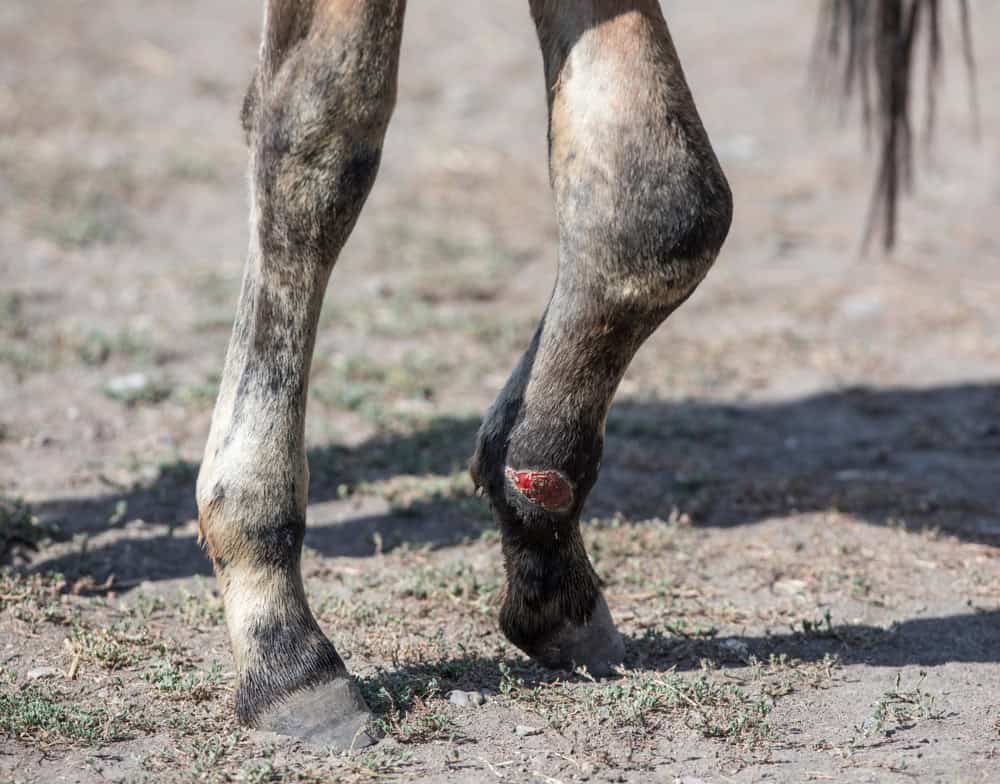
Discovering your horse has suffered a leg injury can be an incredibly stressful moment for any owner. The immediate swelling, heat, or visible wound often triggers panic. However, acting swiftly and systematically can make a massive difference in the healing process. Whether you are dealing with a minor cut or a severe soft tissue strain, knowing exactly what to do can help ease your horse’s discomfort and set the stage for a successful rehabilitation.
A horse’s leg injury requires patience, dedication, and a clear plan. From the crucial first 48 hours to the gradual return to the riding arena, every phase of care is vital. Providing the right support not only helps heal the current issue but also prevents secondary complications from developing in the surrounding tissues.
At Gladiator Equine, we understand how deeply you care about your equine partner’s health. In this comprehensive guide, we will walk you through the essential steps for proper horse injury recovery, covering everything from immediate cold therapy to advanced healing solutions that stimulate circulation and speed up the healing timeline.
Immediate Steps for the First 48 Hours
The first two days after an injury are critical for controlling inflammation and preventing further damage. Taking prompt action helps manage pain and limits the spread of swelling.
1. Administer Cold Therapy
Applying cold therapy should be your first line of defense. Use cold water from a hose, ice packs, or specialized ice boots on the affected area. You should apply this treatment for 20 to 30 minutes, three to four times a day. Cold therapy significantly reduces heat and swelling by constricting the blood vessels in the injured area.
2. Apply Supportive Bandaging
Once you have finished the cold therapy session, dry the leg and apply a support wrap. Using standing bandages helps support the injured leg and prevents swelling, also known as edema, from pooling in the surrounding tissues. Proper bandaging is a skill, so ensure the wrap applies even pressure without being too tight, which could cause a bowed tendon.
3. Enforce Restricted Stall Rest
Movement can easily aggravate a fresh injury. Confine your horse to a stall or a very small pen to restrict their mobility. This strict stall rest prevents them from running, bucking, or bearing unnecessary weight on the damaged limb, giving the torn or strained tissues a chance to stabilize.
4. Consult Your Veterinarian
While immediate first aid is essential, you must call your veterinarian to accurately diagnose the horse’s leg injury. Only a professional can determine if the issue involves a tendon, a ligament, a bone, or a superficial wound.
During the assessment, your vet will likely perform a physical exam and may use ultrasound or X-ray imaging. Based on the diagnosis, they will usually prescribe anti-inflammatory medication to keep your horse comfortable.
Non-steroidal anti-inflammatory drugs (NSAIDs) such as Banamine, Equioxx, or phenylbutazone are commonly used to manage pain and reduce systemic inflammation. Always follow your vet’s exact dosing instructions to avoid gastrointestinal issues.
5. Manage Wounds and Lacerations
If the injury involves broken skin, keeping the area clean is your top priority. Dirt and bacteria can quickly turn a simple cut into a severe infection.
To manage a laceration, gently clean the area with a mild antiseptic solution like Iodine or Nolvasan. After thoroughly cleaning and drying the wound, apply an antibiotic cream to ward off bacteria. Finally, secure the area with a pressure wrap to stop any bleeding and protect the sensitive tissues from the stall environment.
For soft tissue injuries without broken skin, you can use cold, compressing boots to minimize swelling and pain. If you are dealing with stubborn inflammation, applying a cold, wet clay poultice covered with a bandage can effectively draw out the heat overnight.
6. Advanced Healing with Gladiator Equine
Once the initial acute phase of the injury has passed, your focus shifts to promoting cellular repair. This is where advanced therapies can significantly accelerate horse injury recovery.
At Gladiator Equine, we have developed far infrared therapy devices designed specifically to aid in the healing process. Far infrared therapy gently penetrates the horse’s skin, stimulating blood circulation deep within the muscles, tendons, and ligaments. This increased blood flow delivers vital oxygen and nutrients to the damaged tissues while carrying away metabolic waste.
Incorporating Gladiator Equine’s far infrared devices into your daily care routine can help reduce stiffness, relieve lingering pain, and support faster, more efficient tissue regeneration.
The Rehabilitation Phase
Healing is only half the battle. Rehabilitating the leg to handle the stress of riding requires a slow, calculated approach. Rushing this phase is the most common cause of re-injury.
Controlled Movement
Once your veterinarian authorizes movement, you will transition your horse from strict stall rest to hand-walking. Hand-walking encourages proper circulation and promotes correct alignment of the healing fibers without the heavy weight-bearing load of a rider. Start with just a few minutes a day on firm, even ground.
Gradual Exercise
As the weeks progress and your vet clears the horse for more activity, you can slowly increase the workload. Begin with light, straight-line walking under the saddle. Avoid tight circles, deep footing, and sudden bursts of speed, as these put immense torque on the lower legs. Over time, you can gradually reintroduce trotting, turning out in a small paddock, and eventually regular riding.
Long-Term Care and Prevention
Even after your horse appears fully recovered, the previously injured leg will always require a bit of extra attention. Maintaining a proactive routine helps ensure your horse stays sound for years to come.
Use physical therapy tools like ice therapy immediately after exercise to manage any potential inflammation that flares up during the rehab process. Continue to monitor the leg daily for any unusual heat or swelling before and after you ride. Taking the time to properly warm up and cool down your horse during every workout will also protect their vulnerable tendons and ligaments from sudden strains.
Support Your Horse’s Recovery Journey
Navigating a horse leg injury takes time, but your dedication will pay off when you finally see your horse moving comfortably again. By combining immediate first aid, professional veterinary care, and a strict rehabilitation schedule, you can give your horse the best possible chance at a full recovery.
Do not leave your horse’s healing strictly up to time. Support their cellular repair and keep them comfortable with advanced technology. Shop Gladiator Equine’s far infrared therapy healing products today to provide your horse with the ultimate non-invasive recovery support.