
August 22, 2025
How Often Should Horses Lie Down? Understanding Equine Sleep
Have you ever heard that horses aren’t supposed to lie down for extended periods of time? This is because, unlike humans, who sleep for long stretches, horses have more unique sleep requirements that might surprise you. Understanding these patterns is crucial for maintaining your horse’s health and well-being.
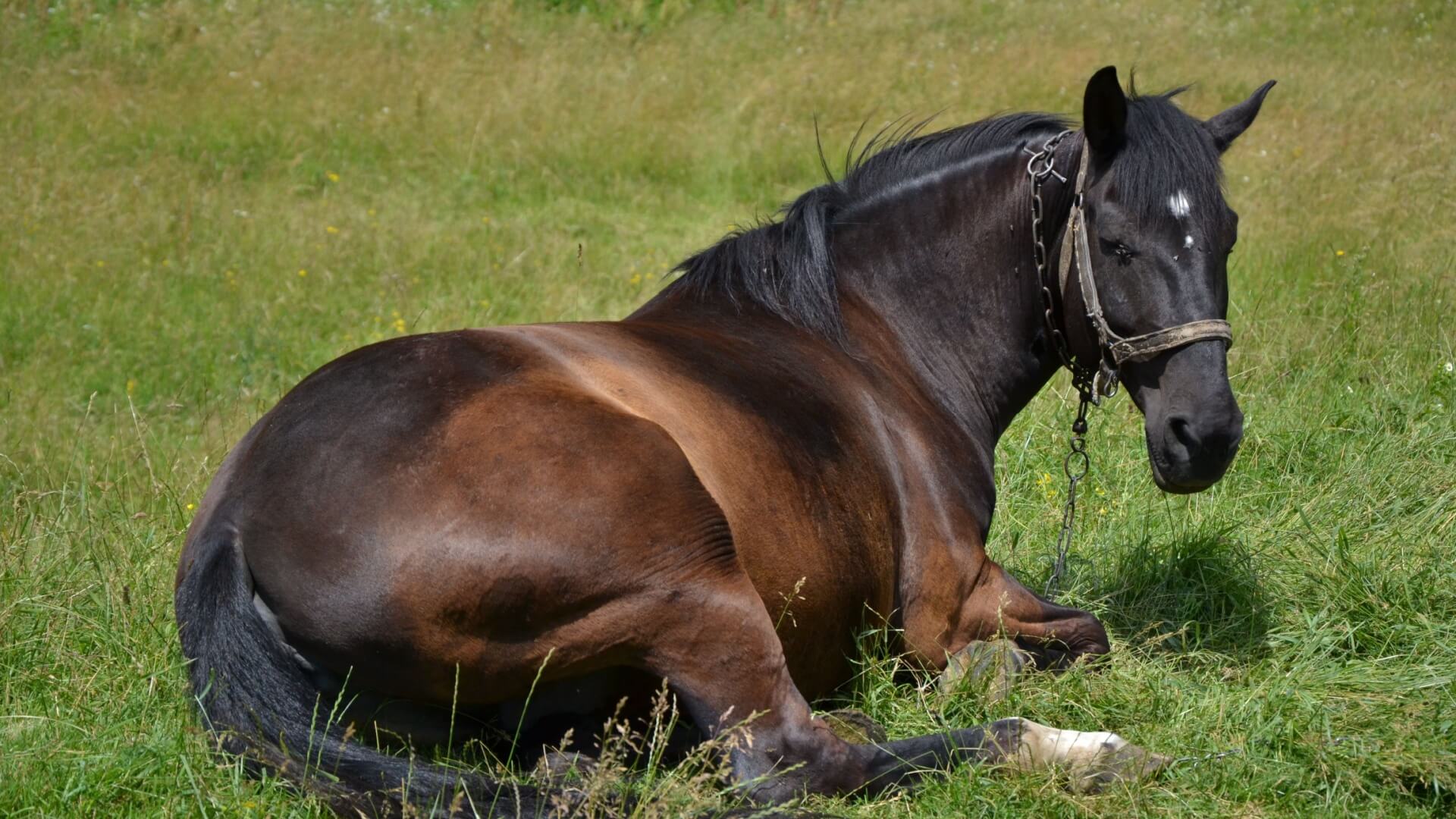
You’ve likely seen your horse do a lot of its resting standing up, but they do need to eventually lie down to achieve the deep, restorative sleep their bodies require. Getting this balance right affects everything from your horse’s mood and performance to their overall health.
If you’ve ever questioned whether your horse is getting enough rest, you’re not alone. Recognizing normal equine sleep patterns helps you identify potential issues early and create the best possible environment for your horse’s recovery and well-being. For added help, check out Gladiator Equine’s therapeutic products to help your horse recover from an injury, improve their sleep habits, and stay calm during training.
The Critical Role of Lying Down for Horses
Horses will eventually require time to lie down for several essential physiological processes. Most importantly, they can only achieve REM (rapid eye movement) sleep while lying down. This deep sleep stage is vital for mental restoration, memory consolidation, and physical recovery.
During REM sleep, horses experience the same restorative benefits that humans do. Their brains process information from the day, consolidate learning, and repair neural pathways. Without adequate REM sleep, horses can become irritable, have difficulty learning new tasks, and show decreased performance.
The physical benefits of horse lying down extend beyond sleep. When horses lie down, they relieve pressure from their legs and hooves, allowing better blood circulation. This position also helps their digestive system function more efficiently and gives their cardiovascular system a much-needed break from supporting their substantial body weight.
Normal Frequency and Duration of Equine Sleep
Most healthy adult horses lie down for a total of 1 to 3 hours per day, though this time isn’t continuous. Instead, horses break their lying down periods into multiple short episodes, typically lasting 15 to 30 minutes each. This pattern reflects their natural survival instincts as prey animals.
The timing of these rest periods varies considerably between individual horses. Some prefer to lie down during daylight hours, while others choose to do so at nighttime. Horses often synchronize their lying down schedule with their herd mates, with one or more horses remaining standing to watch for potential threats.
Young foals have different requirements than adult horses. They will lie down for several hours throughout the day, often sleeping for longer periods than their adult counterparts. This extended rest supports their rapid growth and development.
Factors That Influence Lying Down Behavior
Several factors affect how often and how long horses lie down. Age plays a significant role, with older horses sometimes lying down more frequently due to joint stiffness or arthritis. Conversely, some senior horses may lie down less if getting up becomes uncomfortable or difficult.
Environmental conditions heavily influence equine sleep patterns. Horses prefer to lie down on soft, dry surfaces. Hard ground, wet conditions, or rough terrain can discourage lying down, potentially leading to sleep deprivation. Temperature also matters – horses may lie down more on warm, comfortable days and less during extreme weather.
Social dynamics within a herd affect individual horses’ willingness to lie down. Horses feel vulnerable while lying down, so they need to trust their environment and companions. New horses introduced to a group may take time to establish comfort levels before resuming normal rest patterns.
Health conditions can significantly impact the frequency of lying down. Horses with respiratory issues might avoid lying down because it makes breathing more difficult. Those with joint problems might lie down more often to relieve discomfort, or conversely, may avoid it if getting up causes pain.
The stable environment also plays a crucial role. Horses need adequate space to lie down comfortably and get back up safely. Cramped stalls or inadequate bedding can discourage natural rest behaviors, while comfortable and spacious environments promote healthy sleep patterns.
Recognizing Sleep Deprivation in Horses
Sleep-deprived horses exhibit several telltale signs that owners should watch for carefully. One of the most obvious signs is a horse that appears to fall asleep while standing, sometimes stumbling or nearly falling
Behavioral changes often accompany sleep deprivation. Horses may become:
- Irritable
- Difficult to handle
- Show decreased responsiveness to training
- Display increased anxiety
- Appear “spaced out” during normal activities
Physical signs include:
- Excessive fatigue during regular activities
- Poor coordination
- Delayed reactions to stimuli
Some horses develop small wounds on their knees or fetlocks from stumbling while trying to achieve REM sleep in a standing position.
Performance issues frequently indicate inadequate rest. Horses may show reduced stamina, difficulty learning new tasks, or inconsistent performance in familiar activities. Their recovery time after exercise may also increase noticeably.
If you notice these symptoms, it’s important to evaluate your horse’s environment and routine. Persistent sleep deprivation requires veterinary attention, as it can lead to serious health complications if left unaddressed.
Supporting Your Horse’s Health and Recovery
Understanding equine sleep patterns is just one aspect of comprehensive horse care. Proper rest supports every other aspect of your horse’s health, from training to injury prevention and recovery.
Creating optimal conditions for your horse to lie down naturally contributes to their long-term well-being. Combined with proper nutrition, exercise, and healthcare, adequate rest forms the foundation of a healthy, happy horse.
Gladiator Equine carries a range of therapeutic products designed to support your horse’s overall health and comfort. Our products offer effective relief from muscle, joint, and tendon pain, without the use of harmful drugs or chemicals, helping horses stay calm and recover from the stresses of training and competition.
Whether your horse needs help managing discomfort that might interfere with rest or support for injury recovery, our devices can complement your care routine. Contact us today to learn more about how our products can help your horse achieve optimal health and well-being.